
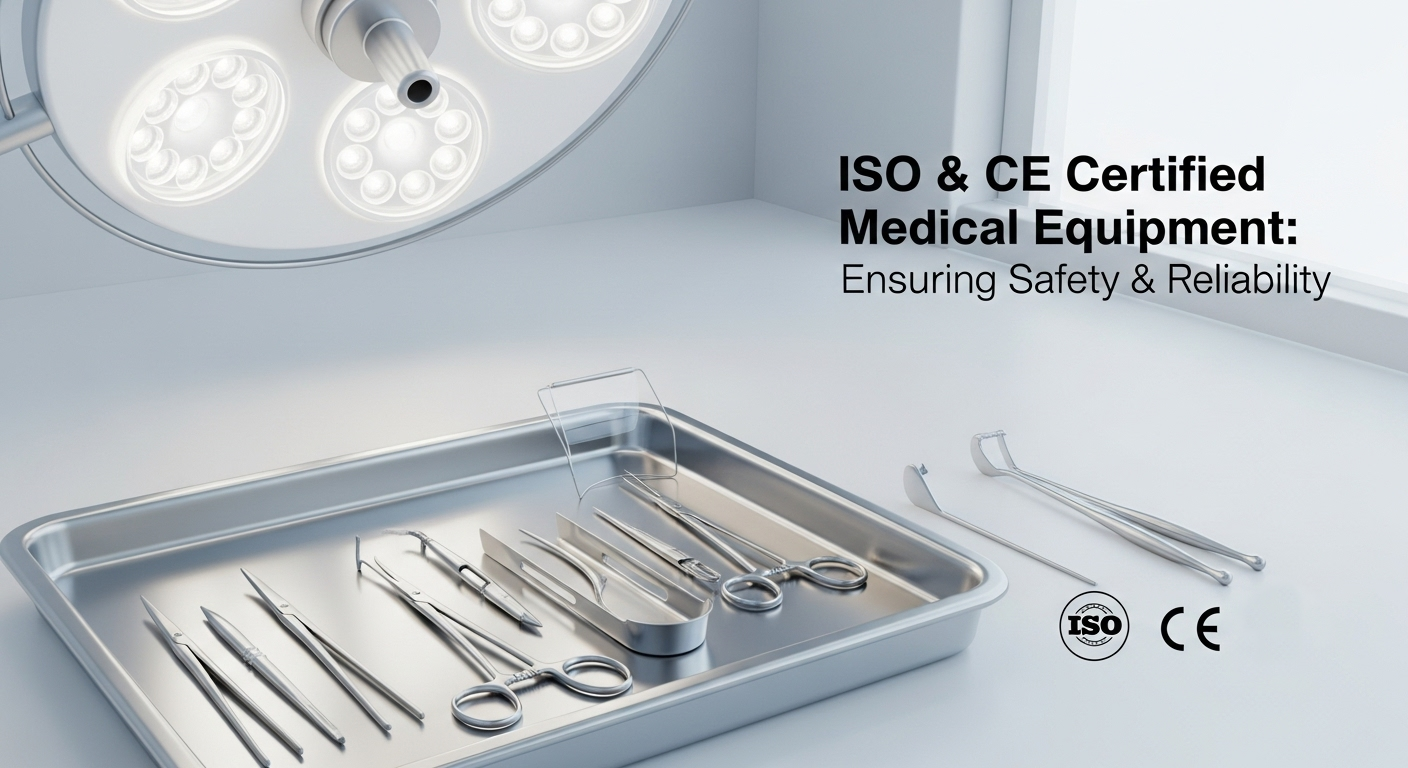
How ISO and CE Certifications Elevate the Safety of Medical Equipment
In hospitals, safety is not an option – it is the core of every decision hospitals make. From surgical trays to sterilization baskets, all medical devices must be reliable, durable, and designed to protect patients and staff. But how can hospitals be assured they are choosing medical equipment that meets international safety standards?
Two certifications give that assurance: ISO and CE marking. These internationally standards prove that medical equipment has been tested, validated, and approved for safe use in clinical environments. When equipment carries ISO and CE certification, hospitals know they are investing in quality they can trust.
What ISO Certification Means in Medical Equipment
ISO (International Organization for Standardization) creates globally accepted rules that define how medical devices should be designed, manufactured, and controlled.
For hospitals, ISO certification offers a clear guarantee: the product meets the highest level of safety and performance.
ISO 13485 – The Gold Standard for Medical Devices
ISO 13485 certification ensure that a manufacturer follows strict, audited processes from material selection to final inspection.
ISO 13485 ensures:
- Consistent product quality
- Safe manufacturing practices
- Reliable sterilization performance
- Better durability and long-term use
ISO 9001 – A Commitment to Consistency
ISO 9001 ensures the organization continually improves quality and that production systems remain stable. It is what allows hospitals to have confidence that each batch, every tray, and every accessory is produced to the same standard.
What the CE Mark Means to Hospitals
Although the CE mark is a legislative requirement for medical devices in the European Union, it has a reputation that extends globally. If medical devices are CE marked, it indicates that they conform with EU laws related to;
- health safety
- environmental protection
- product performance
For medical devices, a CE mark indicates the product;
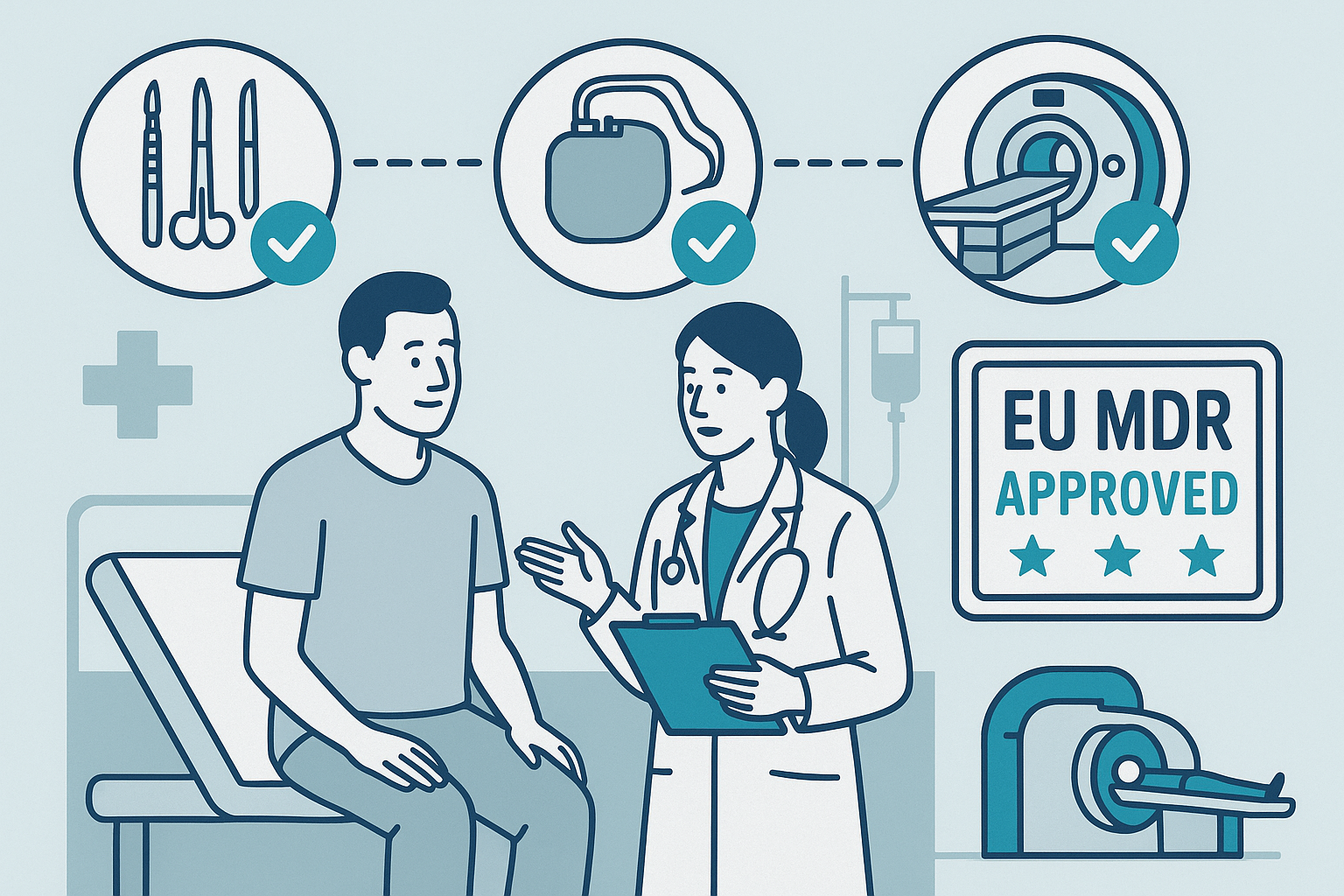
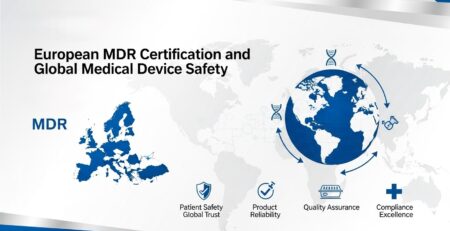
- has completed European Medical Device Regulations (MDR) testing
- is authorized for clinical use
- is constructed with safe, compliant materials
- has successfully passed demanding performance and durability
In short: CE-marked medical devices are trusted in hospitals around the world.
The Importance of Having ISO- and CE-Certified Equipment in Hospitals
Better Patient and Staff Safety
When medical equipment is certified, the potential risks it may pose during handling, sterilization, and use during surgery are reduced.
Greater Reliability in Sterile Processing
Quality certified equipment is build with superior engineering principles, providing streamlined workflows, performing as expected with less downtime, and consistent sterilization outcomes.
Long-term Cost Savings
Quality certified equipment resists damage, and lasts longer, generating savings through decreased replacement costs, reducing inventory, and eliminating additional downtime.
More Accessible Regulatory Compliance
Having ISO or CE markings greatly assists hospitals to demonstrate compliance to regulatory bodies both locally during an audit process. and internationally.
Final Thoughts
ISO and CE certifications are way more than regulatory logos – they are a representation of safety, trust, and quality recognized throughout the world. When a hospital chooses certified medical equipment they are selecting to work with confidence. They are obtaining tools that inspire greater patient safety, reduce opportunities for infection control, and ultimately lead to better performance during every customer encounter.
In today’s rapidly changing healthcare delivery environment, quality is no longer negotiable. Certified equipment will provide the assurance that engineers met regulatory standards on every procedure.



Leave a Reply