

The Role of Passivation in Medical Device Safety
Muhammad Danish2025-11-03T12:13:23+00:00Passivation refers to a type of chemical surface treatment applied by manufacturers to remove iron particles from stainless steel. Passivation creates a thin oxide film that enhances resistance to corrosion, soundly conditioning instruments for a safe and durable service life as a medical product over time.
What is Passivation?
Passivation is not a coating. It is a chemical cleaning process. Stainless steel instruments go through a manufacturing process that involves immersion in a weak acid solution such as citric or nitric acid to remove contamination from the surface of stainless steel instruments. After being cleaned in that solution, the instrument is exposed to the atmosphere, starting the formation of a natural oxide layer that has strong rust and wear-resistant properties.
Why Passivation Is So Important for the Medical Devices
Protection from Corrosion
Stainless steel tools resist rust but are not completely rust-proof. Passivation makes them more resistant to corrosion, helping medical devices last longer and look better.
Cleaner Surface
It is much easier to clean and sterilize passivated surfaces, thus reducing the potential for contamination. Health care facilities rely on passivated surface quality to create and maintain a safety environment during procedures.
Longer Lasting Tool
By removing contaminants and creating a stable oxide layer, passivation can enhance instrument performance longer and thus reduce wear, and lessen the replacements of tools and devices.
Understanding the Passivation Process
- Cleaning: All oil, polishing compounds, and dust must be removed.
- Acid Bath: Through the passivation process, instruments are immersed in nitric or citric acid to eliminate free iron.
- Rinse: Instruments are then rinsed using deionized water to remove any residual acid.
- Oxide Film: Allow for natural drying; during the passivation process, free oxygen reacts with the steel material to form a passive layer of protection against corrosion.
The passivation process guarantees the instrument can withstand sterilization and regular use safely without degrading.
Benefits of Passivation
- Improved corrosion protection
- A smooth surface free of contaminants
- Extended tool and instrument life
- Enhanced biocompatibility for patient safety
- Consistent and reliable product quality
Where Passivation is used
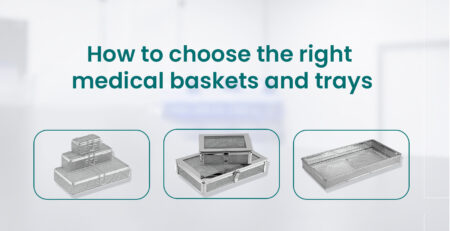
From surgical scissors, dental mirrors to sterilization trays, almost every medical device made of stainless steel undergoes the passivation process as a small step towards allowing long term reliability for patient safety.
Conclusion
Passivation is an easy, yet very effective and essential process for improving the quality and safety of medical devices. It adds corrosion resistance, cleanliness, and strength so that each surgical instrument complies with medical quality standards and is safe to reprocess and reuse





Leave a Reply